
Academic Analytics
Senior Advisors Biographies
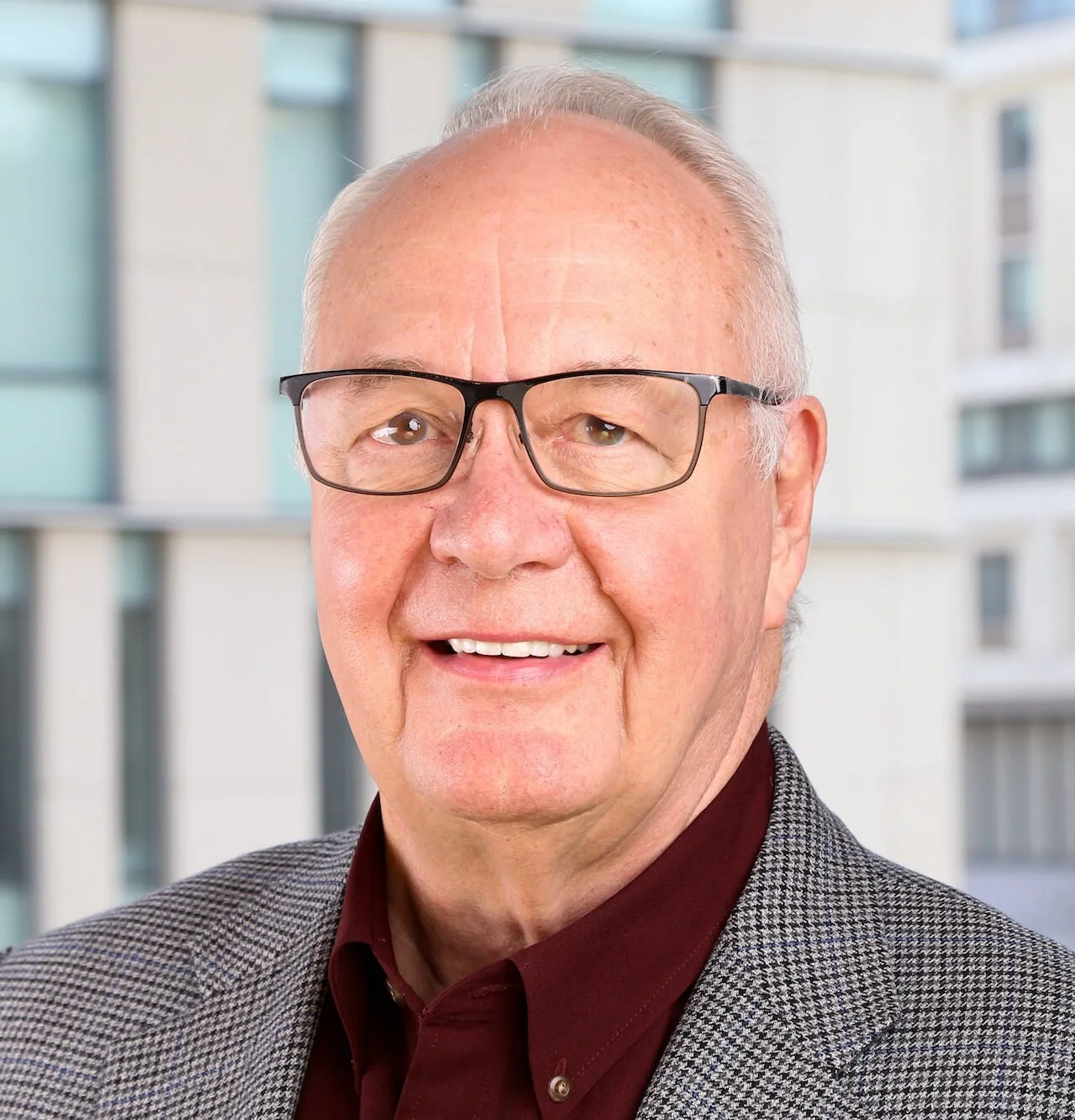
Robert Berdahl
Robert M. Berdahl received his B.A. degree from Augustana College in Sioux Falls in 1959, his M.A. from the University of Illinois in Urbana-Champaign in 1961, and his Ph.D. from the University of Minnesota in 1965. His field of specialization is German history and he is the author of The Politics of the Prussian Nobility (Princeton University Press, 1988), the co-author of another book, and the author of numerous articles dealing with German history and, more recently, about American higher education.
Berdahl served as an assistant professor of history at the University of Massachusetts in Boston from 1965-1967; as assistant, associate, and full professor of history at the University of Oregon from 1967-1986. From 1981-1986, he served as the Dean of the College of Arts and Sciences at the University of Oregon; from 1986-1993, he served as Vice Chancellor for Academic Affairs at the University of Illinois in Urbana-Champaign; from 1993-1997 he served as President of the University of Texas in Austin; and from 1997-2004, he served as Chancellor of the University of California, Berkeley.
After retiring from Berkeley in 2006, he was appointed President of the Association of American Universities, an association of the 59 leading research universities in the United States and 2 in Canada. He retired from that position in 2011. From December 2011 to August 2012, he served as Interim President of the University of Oregon. He continues to be active as a consultant to universities. He serves on the Board of Directors of ACT. In January 2014, he co-taught a course during the January-Term at NYU Abu Dhabi.
Berdahl has received numerous awards and honors. He is the recipient of a Fulbright Research Grant and a National Endowment for the Humanities Fellowship; he was a research associate at the Institute for Advanced Study in Princeton and at the Max-Planck-Institute for History in Germany. He was elected to membership in the American Academy of Arts and Sciences. He has received honorary doctorates from Augustana College, the University of Minnesota, and New York University. He has been awarded the Distinguished Service Award by the University of Oregon. He is the recipient of the Clark Kerr Award for distinguished contributions to higher education by the University of California, Berkeley.
As a Senior Advisor to Academic Analytics, Berdahl provides clients and the company with critical perspective on institutional governance, academic planning, the role of public universities in American higher education. His experience at four top public universities and macro-level view from the Association of American Universities informs the company’s evolving direction and services for clients.
Julie Carpenter-Hubin
Julie Carpenter-Hubin began her association with The Ohio State University as a typist in the College of Education. Assuming increasing responsibilities, she moved from departmental secretary to space planning for the College of Humanities. When a new unit called Strategic Analysis was created, she applied for a position as analyst. That unit became Institutional Research and Planning where she ultimately assumed the position of Assistant Vice President for Institutional Research and Planning at The Ohio State University.
Julie has represented OSU on the Association of American Universities Data Exchange (AAUDE), is a past chair of the Exchange’s governing council, and received its Distinguished Service Award. She is the past President of the Association for Institutional Research (AIR) and a recipient of the AIR Outstanding Service Award and the AIR Distinguished Member Award.
Julie has served on the National Research Council’s Data Panel. This panel advised the NRC’s Committee on an Assessment of Research-Doctorate Programs on the questionnaires used in the assessment of Ph.D. programs nationwide. In addition, she served on the U.S. Department of Education’s National Postsecondary Education Cooperative and on the Department’s Technical Review Panels.
Julie has been involved with Academic Analytics since its inception as a critic and a subscriber. She now joins Academic Analytics as a Senior Advisor.
Peter Lange
Peter served as Duke University’s Provost for 15 years, working closely with Presidents Nannerl Keohane and Richard Brodhead. He oversaw strategic, programmatic, budgetary, and administrative decision-making under the university’s Responsibility Center Management (RCM) system. During his tenure, Duke executed a sophisticated strategy that combined planning with targeted financial support and deliberate cultural change. Among the successful, university-wide initiatives in which Peter played a central role were: recruiting outstanding faculty; establishing the institution’s leadership position in interdisciplinary research and teaching; linking classroom study to external, experiential learning; extending Duke’s reach into the world; and focusing teaching and research on global issues.
Peter is the Thomas A. Langford University Professor of Political Science and Public Policy at Duke University. He is a Fellow, American Association for the Advancement of Science. Prior to serving as Duke’s Provost, Peter was a professor and chair of its Political Science department. He also taught at Harvard University, where he was an Associate Professor of Political Science. Peter is the recipient of the 2014 American Association of University Administrators, Eileen Tosney Award for Career Service in Higher Education, recognizing outstanding, long-term experience as an administrator in the field of higher education. He earned his BA at Oberlin College, and his PhD in political science from the Massachusetts Institute of Technology.

Daniel Linzer
Daniel Linzer served as president of the Research Corporation for Science Advancement (RCSA) from 2017-2025, and served on the board of the Science Philanthropy Alliance before moving into his role as senior external consultant for the Alliance.
Linzer received his bachelor of science degree in molecular biophysics and biochemistry from Yale University, and a Ph.D. in biochemical sciences from Princeton University. His graduate thesis research in the laboratory of Arnold Levine resulted in the discovery of p53, which has since been recognized as “the guardian of the genome.” As a postdoctoral fellow working with Dan Nathans at The Johns Hopkins University School of Medicine, Linzer identified genes that are activated during the switch of mammalian cells from a non-growing to a growing state. He found that one of these genes encodes a novel hormone, and this hormone became the focus of his research as a faculty member. Further studies at Northwestern on the growth-related hormone revealed it, along with closely related hormones, to be produced in the placenta and to control pregnancy-related changes in the development of the maternal, and possibly the fetal, blood system. Two of these hormones were shown to regulate blood vessel growth, whereas other family members controlled blood cell maturation and differentiation.
Linzer served as associate dean for the sciences in the Weinberg College of Arts and Sciences of Northwestern University from 1998–2002, and then as dean of Weinberg College from 2002–2007. In 2007, he was appointed the provost of Northwestern University, a position he held for ten years until joining RCSA.
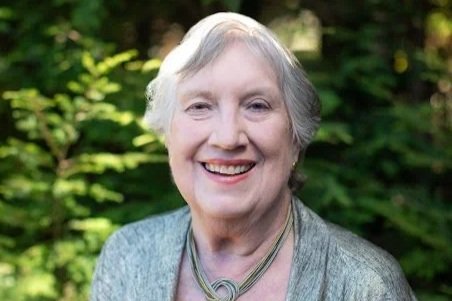
Lydia Snover
Lydia Snover’s 51-year career at MIT includes 15 years in academic and research administration. She has worked in institutional space planning and is the founding director of MIT’s Institutional Research Group. Lydia has represented MIT with numerous organizations including the Association of American Universities Data Exchange (AAUDE) and the Consortium on the Financing of Higher Education (COFHE) Institutional Research Group. In addition to serving on several external advisory and review committees, Lydia was heavily involved in the methodology discussions of the 2010 NRC rankings of Research Doctoral Programs.
Lydia has made numerous presentations on institutional research at regional, national and international conferences. She is co-author With Dr. Marcel Herbst of “MIT and ETH Zürich: Structures and Cultures Juxtaposed”, published by the Center for Science and Technology Studies in October 2002. She is also the co-author with Julie Hubin-Carpenter of the chapter “Key Leadership Positions and Performance Expectations in Powers, KP & Schloss, PJ, (editors), 2013, Organization and Administration of Higher Education (3rd edition), New York, NY, Routledge.
Lydia has received numerous awards including the John Stecklein Distinguished Member award from the Association of Institutional Research in 2019, The Joseph Petit Award from COFHE in 2011, and Distinguished Service award from the AAU Data Exchange in 2006. In 2023, Lydia was made an Honorary Member of the MIT Alumni Association, an honor bestowed on fewer than 200 people since it was established in 1897.
Lydia is currently the Data Projects Coordinator for the Association of American Universities Data Exchange and a member of the QS Advisory Board. She has been involved with Academic Analytics since its inception in various capacities including critic, advisor, and subscriber.

John D. Simon
John D. Simon served as the President of Lehigh University from 2015-2021. During his tenure Simon raised the university’s national profile, strengthened, and grew its research infrastructure, expanded its global programs, and built on the university’s long, proud legacy of success in research, teaching, and service. During his tenure, the university significantly expanded its undergraduate and graduate student populations, recruited new faculty, built new academic and student housing facilities, established a physical presence on the west coast through its partnership with the Nasdaq Entrepreneurial Center in San Francisco, and launched Lehigh’s college focused on health - the first new college in 50 years.
Prior to being named as Lehigh’s president, John served from 2011-2015 as the Executive Vice President and Provost at the University of Virginia. Before his term at UVA, John was Vice Provost for Academic Affairs at Duke University from 2005 to 2011, and Chair of the Department of Chemistry from 2000-2005. John joined Duke as the George B. Geller Professor of Chemistry in 1998, following 13 years (1985-1998) as a faculty member in the Department of Chemistry and Biochemistry at UC San Diego.
John is a Fellow of the American Association for the Advancement of Science and the American Physical Society. In 2021, John was awarded the Downtown Vision Award by the Bethlehem Chamber of Commerce for his work with the city while President of Lehigh. In June 2019, the faculty of biochemistry, biophysics and biotechnology at Jagiellonian University in Kraków, Poland awarded John a silver Plus ratio quam vis medal for his role in collaborative research between Polish and American scientists.
John received his B.A. from Williams College in 1979 and his Ph.D. in chemistry from Harvard University in 1983. He was a postdoctoral researcher at UCLA from 1983-1985. John has published over 240 scientific articles and is a co-author of three textbooks.

Lisa A. Tedesco
Lisa A. Tedesco is Vice Provost Emerita (Academic Affairs – Graduate Studies), Dean Emerita of the James T. Laney School of Graduate Studies, and Professor Emerita, Behavioral, Social, and Health Education Sciences, Rollins School of Public Health at Emory University.
Under her tenure, the Laney Graduate School grew to more than 1,800 students and over 50 doctoral, masters, and certificate programs – with an emphasis on opportunities for interdisciplinary study, professional development and career planning, diversity and inclusion, and student mental health and well-being. As a health psychologist, Dr. Tedesco’s teaching and research has been in areas related to behavioral sciences, health promotion and disease prevention, and education in the health professions. During 2021-22 she served as the Dean-in-Residence at the Council of Graduate School. In Fall 2022 she continued in leadership at Emory and served as Special Advisor to the Provost.
Prior to her work at Emory, Dr. Tedesco was on faculty and in leadership at the University of Michigan. At Michigan’s School of Dentistry, Dr. Tedesco was Associate Dean for Academic Affairs and Professor of Behavioral Sciences. She also served in University Administration as Vice President and Secretary and as Interim Provost.
Dr. Tedesco earned her master’s and PhD in Educational Psychology from the University at Buffalo, State University of New York.
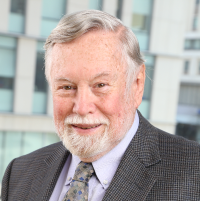
George Walker
George E. Walker is currently Professor and Senior Mentor in the School of Business and Leadership, at the University of Charleston WV. Dr. Walker previously was the interim Provost and Senior Vice President for Academic Affairs at Cleveland State University from June 1, 2012 – June 30, 2013. From January 1, 2010 until May 31, 2012, he was Vice President for Research and Graduate Studies at CSU. He has held appointments as Professor of Physics, Chair of the Physics Department, Vice President for Research and Dean of the Graduate School at Indiana University, and Senior Vice President for Research Development and Graduate Education and Dean of the Graduate School at Florida International University.
George has served as Chair of the Board of the Council of Graduate Schools, President of the Association of Graduate Schools of the Association of American Universities (AAU), and Chair of the Council on Research, Policy and Graduate Education of the National Association of State Universities and Land-Grant Colleges (NASULGC/APLU). He directed “The Carnegie Initiative on the Doctorate” while a Senior Scholar at the Carnegie Foundation for the Advancement of Teaching.
George received his B.A. degree from Wesleyan University in 1962, and the M.S. (1964) and Ph.D. (1966) in Theoretical Physics from Case Institute of Technology. After serving in Post-Doctoral positions at Los Alamos Scientific Laboratory and Stanford University, he joined the faculty at Indiana University in 1970, remaining until becoming Professor of Physics-emeritus in 2004. He is a Fellow of the American Physical Society. While at Indiana he was twice awarded Physics Graduate Students’ Award for Outstanding Contributions to Graduate Education.
George has chaired or served on numerous advisory committees including those at Los Alamos National Laboratory and Lawrence Livermore National Laboratory, the Educational Testing Service (ETS), the National Survey of Student Engagement (NSEE) and the Ruhr Universitat Research School International Advisory Committee.
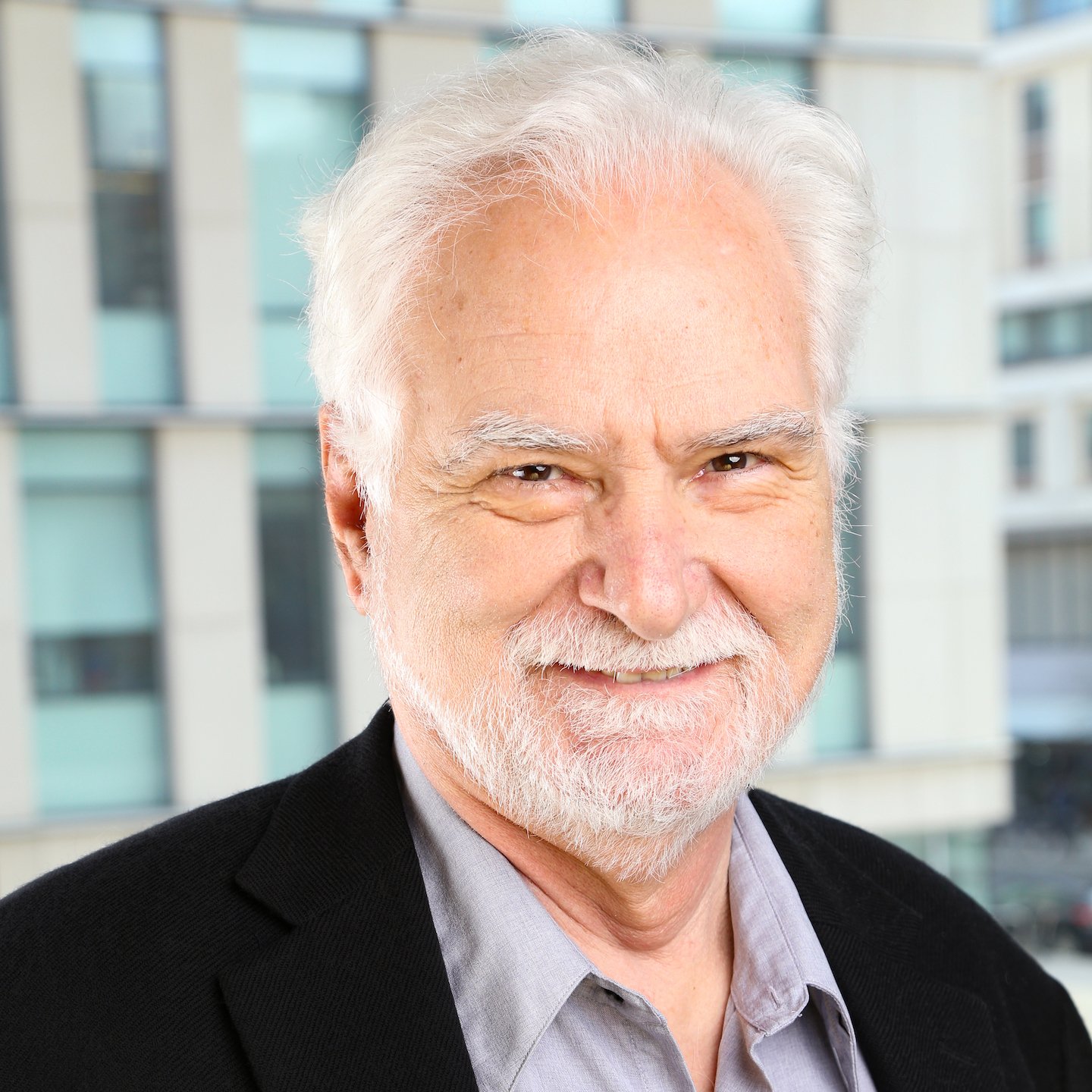
Richard Wheeler
Richard Wheeler is Professor of English Emeritus and Dean of the Graduate College Emeritus at the University of Illinois at Urbana-Champaign. After earning degrees from Cornell College (Iowa) and the State University of New York at Buffalo, he joined the Illinois English Department in 1969 (head from 1987 to 1998). After a year as interim head of Anthropology, he was Dean of the Graduate College from 2000 to 2009. He was Vice Provost from 2006 to 2010 and Interim Provost and Vice Chancellor for Academic Affairs from Spring 2010 through Summer 2012. He retired in 2014 after two years as Visiting Associate Vice President for Academic Affairs. His scholarship is chiefly focused on psychological patterns of development in Shakespeare’s works. He served as chair of the CIC graduate deans group and of the executive committee of the Board of Directors of the Council of Graduate Schools, and was a member of the last NRC Committee to Assess Research-Doctorate Programs.
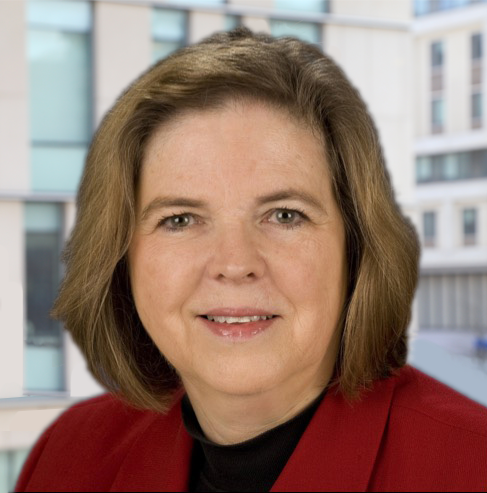
Caroline Whitacre
Carol was formerly the Senior Vice President for Research at The Ohio State University in Columbus, a position she held for 9 years. In her faculty position as Professor of Microbial Infection & Immunity, she spent her career researching the immunology of multiple sclerosis. During her 36 years at Ohio State, she also served as Vice Dean for Research in the Medical Center and as Chair of the Department of Molecular Virology, Immunology and Medical Genetics. She received a bachelor’s degree and PhD from The Ohio State University.
In recognition of her University activities, she was awarded the OSU Faculty Award for Distinguished University Service in 2001 and the Distinguished Scholar Award in 2008. In 2004, she was named a Fellow of the American Association for the Advancement of Science and was elected to the National Academy of Inventors in 2015. Carol serves as a member of the National Board of the National Multiple Sclerosis Society since 2014. She was inducted into the National MS Society Volunteer Hall of Fame for researchers in 2009 and currently chairs the Research Programs Advisory Committee (RPAC) for the National MS Society. Carol also serves on the Board of The Wellington School, located in Columbus Ohio.
Since her retirement from Ohio State in 2017, Carol works part time in her hometown of Morrow, Ohio, serving as the city manager. Carol and her husband, Mike, have one grown son, Alex, and they enjoy cooking, traveling and restoring old houses. Their dog, Mario, loves his time in Morrow, where he chases deer and foxes.